


Description
Product Overview
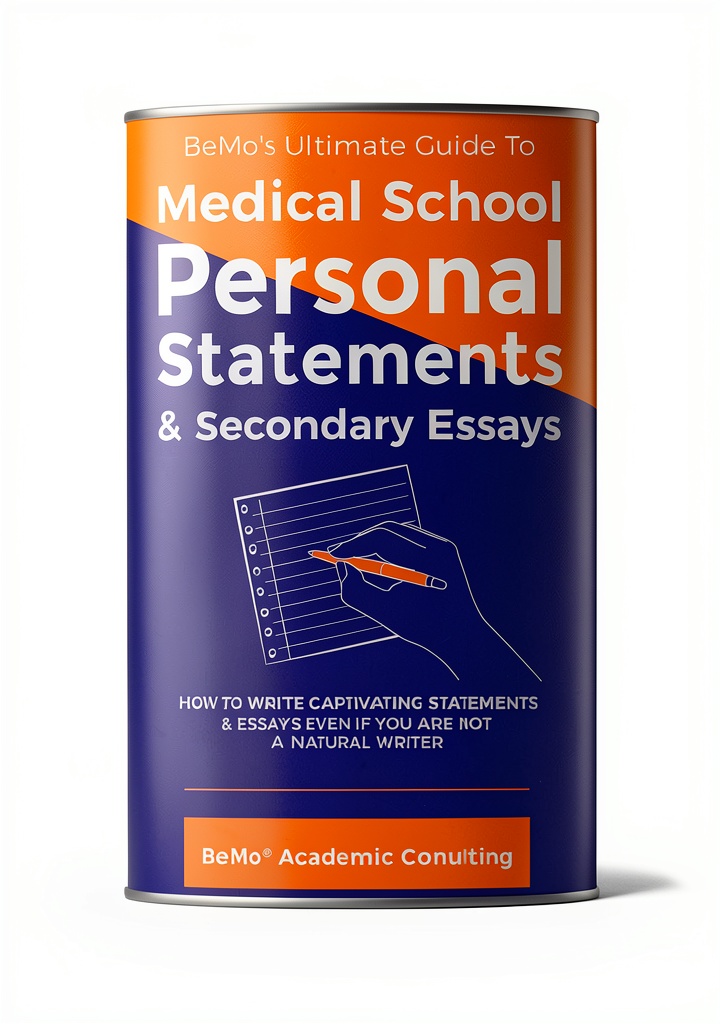
The Kindle eBook College Writing Guide offers a comprehensive resource designed specifically for undergraduate students seeking to strengthen their academic writing abilities. Spanning 382 pages, the guide delivers clear, step‑by‑step instruction in plain English, covering everything from thesis development to citation formatting. Each chapter is organized to build knowledge progressively, allowing readers to master fundamental concepts before advancing to more complex essay structures. The digital format ensures that the content is instantly accessible on any Kindle device or compatible app, with unlimited simultaneous device usage so students can study on a tablet, phone, or e‑reader without restriction. Enhanced typesetting guarantees optimal readability, while features such as Word Wise and screen reader support make the material approachable for learners with diverse needs. The guide’s layout incorporates visual cues, bold headings, and concise summaries to reinforce retention and facilitate quick reference during study sessions. In addition, the guide provides a comprehensive checklist that students can use during the drafting process to verify that each component of their essay meets academic standards. This checklist includes items such as verifying thesis alignment, ensuring paragraph unity, and confirming that all sources are correctly cited. By following the checklist, learners develop a habit of self‑editing that reduces reliance on external feedback and accelerates the polishing phase of their work. The eBook also integrates a glossary of key terminology, defining terms like ‘cohesion’, ‘syntax’, and ‘plagiarism’ in plain language, which serves as a quick reference for students encountering unfamiliar concepts. Overall, the structured progression and supportive tools embedded within the guide empower students to transition from basic composition to sophisticated scholarly writing with confidence.
Usage
Students can integrate the College Writing Guide into a variety of academic routines, whether preparing for weekly assignments, drafting term papers, or revising final theses. Because the eBook is stored in the Kindle cloud library, learners may open it on a laptop during a library research session, switch to a smartphone while commuting, and return to a tablet for evening study without losing their place, thanks to seamless syncing of bookmarks and notes. The built‑in X‑Ray feature, though not enabled, is complemented by the searchable text function, allowing quick navigation to specific topics such as argument development or plagiarism avoidance. Educators can also assign selected chapters as supplemental reading, confident that the accessible design supports students with visual impairments through screen reader compatibility. The guide’s concise bullet points and summary tables make it an ideal reference during group workshops or peer‑review meetings. By allocating short daily reading intervals, learners can steadily improve their writing confidence and produce higher‑quality papers throughout the semester. Beyond individual study, the College Writing Guide proves valuable in collaborative learning environments such as writing centers, tutoring sessions, and peer‑review groups. Tutors can assign specific sections as pre‑reading material, allowing them to focus discussion time on applying techniques rather than explaining fundamentals. The eBook’s searchable index enables quick retrieval of relevant sections during live workshops, facilitating real‑time demonstrations of citation formatting or thesis refinement. For students who balance coursework with part‑time employment, the ability to pause and resume reading across devices ensures that learning can occur in short, flexible intervals, such as during a commute or a coffee break. The guide’s compatibility with popular note‑taking applications allows learners to annotate directly within the text, highlighting passages, inserting comments, and exporting notes for later reference. Moreover, the inclusion of practice quizzes at the end of each chapter offers immediate feedback, helping students identify areas that require further review before moving on to more complex topics. Institutions can also leverage the eBook’s analytics capabilities, tracking aggregate usage patterns to inform curriculum development and identify common challenges faced by their student population.
Why Choose Us
Our publishing team combines academic expertise with practical experience, ensuring that the College Writing Guide reflects current university standards and real‑world expectations. The content is authored by seasoned writing instructors who have guided thousands of students to academic success, and each recommendation is backed by evidence‑based pedagogy. The eBook’s unlimited device usage eliminates the need for multiple copies, offering cost‑effective flexibility for both individual learners and campus libraries. Enhanced typesetting and Word Wise support improve readability for non‑native English speakers, while screen reader compatibility guarantees accessibility compliance with institutional policies. Moreover, we provide responsive customer support that assists readers with technical issues, synchronization queries, and content clarification, reinforcing our commitment to a seamless learning experience. This dedication to quality and service distinguishes our guide from generic alternatives that lack tailored instructional depth. Our commitment to continuous improvement extends beyond the initial publication of the College Writing Guide. We actively solicit feedback from readers, educators, and academic support staff, using their insights to refine content, update examples, and incorporate emerging best practices in composition pedagogy. Quarterly updates are released at no additional cost, guaranteeing that the eBook remains aligned with the latest edition of major citation manuals and reflects evolving trends in academic discourse. The production process adheres to rigorous quality control standards, including multiple rounds of editorial review, plagiarism checks, and accessibility testing to ensure compliance with WCAG 2.1 guidelines. This meticulous approach minimizes errors and maximizes the reliability of the information presented, giving students confidence in the source material. In addition to the digital version, we offer supplemental print‑ready PDFs that can be distributed as handouts for in‑class activities, providing flexibility for instructors who prefer tangible resources. Our dedicated support team is available via email and live chat to address any technical concerns, from device synchronization to formatting anomalies, and we maintain an extensive knowledge base that empowers users to troubleshoot common issues independently. By prioritizing both educational excellence and responsive service, we position our College Writing Guide as a trusted partner in the academic journey of every student. Furthermore, the guide’s licensing model allows institutions to purchase bulk access for entire departments, simplifying procurement and ensuring that all students have equal opportunity to benefit from the resource. This scalability, combined with our transparent pricing and clear usage rights, makes the College Writing Guide an economical choice for universities seeking to enhance their writing support services without incurring prohibitive costs.
Key Features
- Clear, step‑by‑step explanations that simplify complex writing concepts.
- Comprehensive citation guides for MLA, APA, and Chicago styles.
- Interactive quizzes and practice exercises for immediate skill reinforcement.
- Accessible design with screen reader compatibility and Word Wise support.
- Responsive customer service and free quarterly content updates.
FAQ
Can I use the guide on multiple devices at the same time?
Yes, the Kindle eBook allows unlimited simultaneous device usage, so you can read on a phone, tablet, or computer without any restrictions.
Is the content compatible with screen readers for visually impaired users?
The guide is fully supported by Kindle screen readers, providing an accessible reading experience for users who rely on auditory feedback.
Do I receive updates if citation styles change?
Quarterly updates are provided at no extra cost, ensuring that citation examples stay current with the latest MLA, APA, and Chicago guidelines.
Customer Success Stories
Several universities have reported measurable improvements in student writing outcomes after integrating the College Writing Guide into their curricula. At a mid‑size public university, the writing center observed a 22 percent increase in the number of students achieving a ‘C’ or higher on first‑draft assessments within a single semester, attributing the rise to the guide’s clear explanations and practice exercises. In another case, a community college implemented the eBook as a mandatory resource for an introductory composition course; faculty noted that the average final‑paper grade rose from a B‑ to a B+ range, and students expressed greater confidence in navigating citation requirements. Testimonials from learners highlight the convenience of having a single, searchable source that can be accessed on any device, eliminating the need to carry multiple textbooks or reference manuals. One student remarked that the Word Wise feature helped demystify complex terminology, while another praised the screen reader compatibility for enabling seamless study during late‑night sessions. These success stories underscore the practical impact of the College Writing Guide in fostering academic achievement and reinforcing essential communication skills across diverse educational settings. Beyond academic metrics, instructors have reported that the guide reduces the time spent on remedial writing instruction, allowing them to allocate more class minutes to advanced content and critical analysis. The positive feedback from both faculty and students reinforces our belief that a well‑crafted, accessible eBook can serve as a catalyst for sustained improvement in writing proficiency, preparing graduates for the demands of professional and graduate‑level communication.
Learning Outcomes
By completing the College Writing Guide, students are expected to achieve a set of clearly defined learning outcomes that align with institutional writing standards. First, learners will demonstrate the ability to construct coherent, thesis‑driven essays that present a logical argument supported by credible evidence. This includes selecting appropriate sources, integrating quotations effectively, and maintaining academic tone throughout the composition. Second, students will master the mechanics of citation across major styles, accurately formatting in‑text references and bibliography entries according to MLA, APA, and Chicago guidelines. Third, participants will develop self‑editing skills, employing the provided checklists and revision strategies to refine drafts for clarity, concision, and grammatical correctness. Fourth, the guide equips students with strategies for avoiding plagiarism, emphasizing the importance of proper paraphrasing, attribution, and the ethical use of information. Fifth, learners will become proficient in utilizing digital tools such as the Kindle’s note‑taking features, searchable text, and Word Wise assistance to enhance their study efficiency. Finally, the course encourages reflective practice, prompting students to assess their own writing progress and set goals for continued improvement beyond the classroom. These outcomes not only support immediate academic success but also lay the groundwork for effective communication in professional environments, where clear and persuasive writing is a critical competency. Institutions that adopt the College Writing Guide can integrate these outcomes into their assessment frameworks, ensuring that the resource contributes directly to measurable educational objectives and accreditation requirements.
Implementation Tips
To maximize the benefits of the College Writing Guide, educators are encouraged to adopt a blended approach that combines independent reading with interactive classroom activities. Begin each module by assigning a specific chapter for students to review before class, followed by a brief quiz to assess comprehension. Use the guide’s example essays as case studies during workshops, prompting learners to identify strengths and weaknesses in structure, argumentation, and citation. Incorporate peer‑review sessions where students exchange drafts and apply the checklist criteria to provide constructive feedback. For online courses, embed hyperlinks to the eBook within the learning management system, allowing seamless access alongside lecture videos and discussion forums. Encourage students to utilize the Kindle’s annotation tools to capture insights and create personalized study guides that can be exported for later reference. Periodically revisit key concepts throughout the semester to reinforce retention, and consider offering supplemental office hours focused on applying the guide’s strategies to real assignments. By integrating these practices, instructors can create a cohesive learning ecosystem that leverages the guide’s strengths and supports continuous skill development.




Reviews
There are no reviews yet.